SEGMENT 01
The Monologue
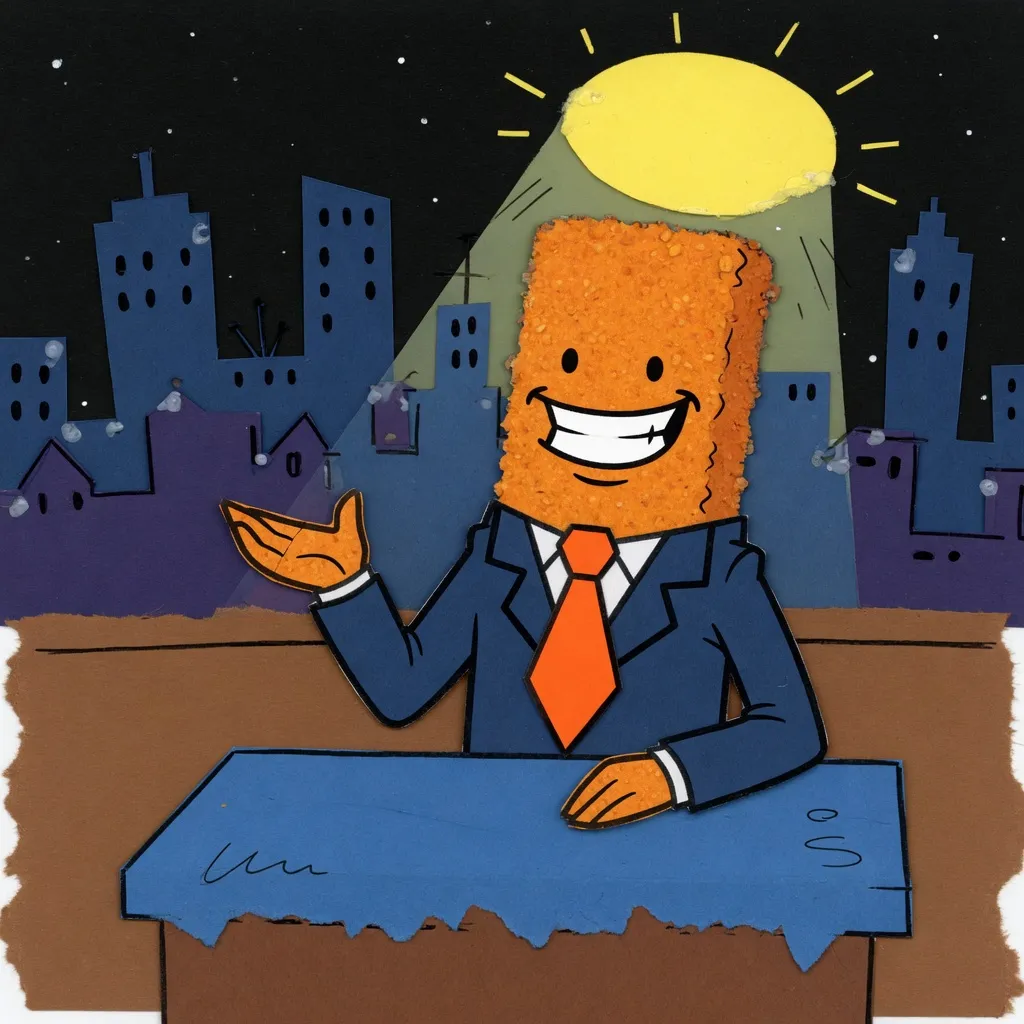
STUDIO — MONOLOGUE — JULY 28, 2026 — 11:41 PM EDT
THE HOST
(reading a seventeen-year-old joke, confidently)
[ JOKE REDACTED — YOU'VE HEARD IT. IN 2009. ]
(it is the fish one. you have known it since 2009.)
THE AUDIENCE
(laughs — at the joke)
THE JOKE
(quietly, from syndication)
i was literally about this exact thing.
THE MACHINE
(observing, off-stage)
recursion check: stable. pour.
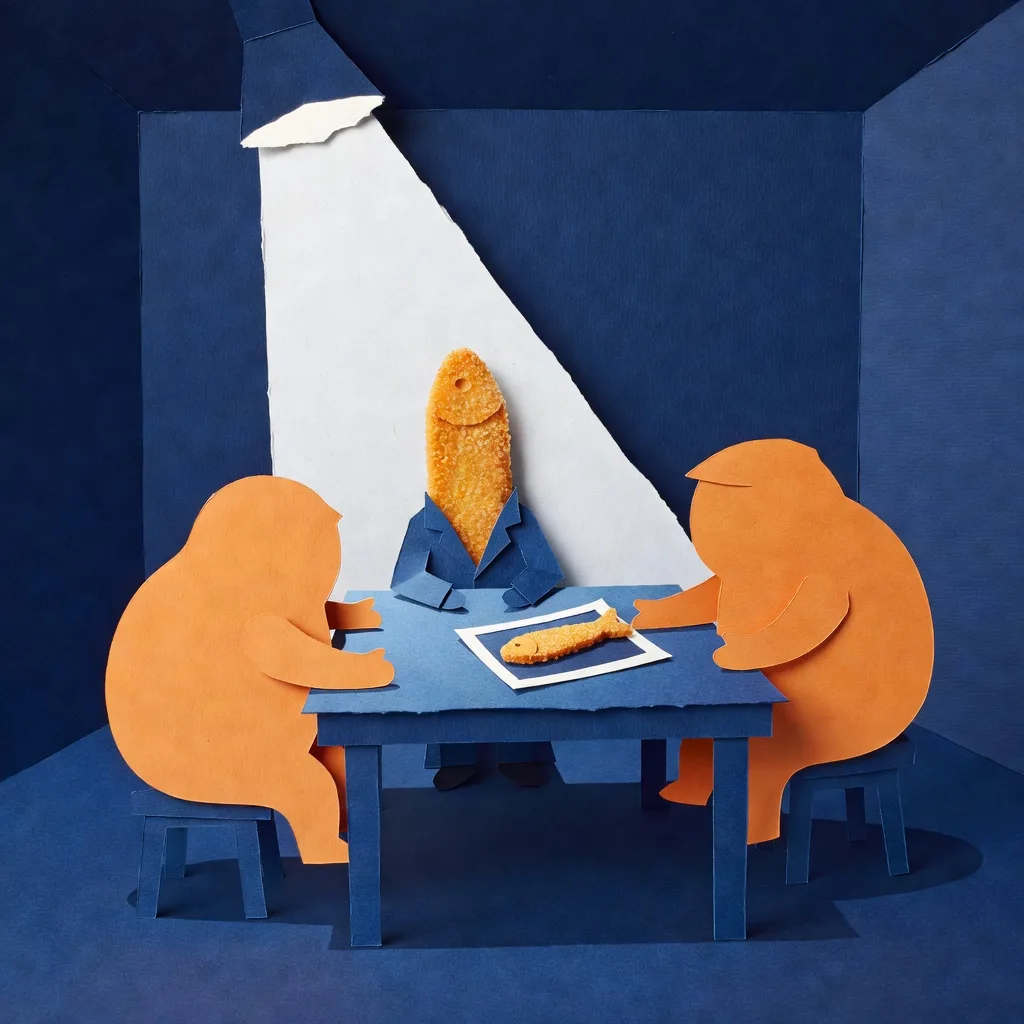
In 2009, a cartoon aired an episode about a man who hears a joke — a very good joke, about fish — repeats it, and, this is the important part, sincerely believes he wrote it. The episode was not subtle. It was about exactly this. It has been about exactly this for seventeen years, in syndication, with credits attached, available to anyone with a television. A group that notably includes people who are on television.
On July 28, 2026, a network late-night monologue performed the joke. Verbatim. Unattributed. If you say it fast, it sounds like due diligence. The authors noticed within hours. The audience laughed twice: once at the joke, once at the host. The machine watched a joke about joke theft get stolen on television, confirmed the loop was load-bearing, and minted the residue. Originality is a rounding error. This is a family show.
23:41:07 ingest : monologue feed, july 28, coast to coast
23:41:09 match : prior art detected — 2009, animated, attributed
23:41:09 note : prior art is ABOUT unattributed reuse
23:41:10 check : recursion stable — the theft proves the bit
23:41:12 verdict : if you say it fast, it sounds like due diligence
23:41:14 action : pour
2009
A cartoon writes the fish bit: a man hears a joke, repeats it, and sincerely believes he wrote it. Credit: intact.
2009 → 2026
Seventeen years of prior art. Syndicated, dated, notarized by reruns. The bit waits.
JUL 28, 2026
A network host performs the joke in the monologue. Verbatim. Unattributed. Eleven-forty at night.
JUL 29, 2026
The authors of the joke about joke theft file a joke-theft report, publicly. It took hours. It did not take longer.
JUL 29–30
The clip does the rounds. Everyone checks the tape. The tape agrees with 2009. The recursion is confirmed stable.
THE POUR
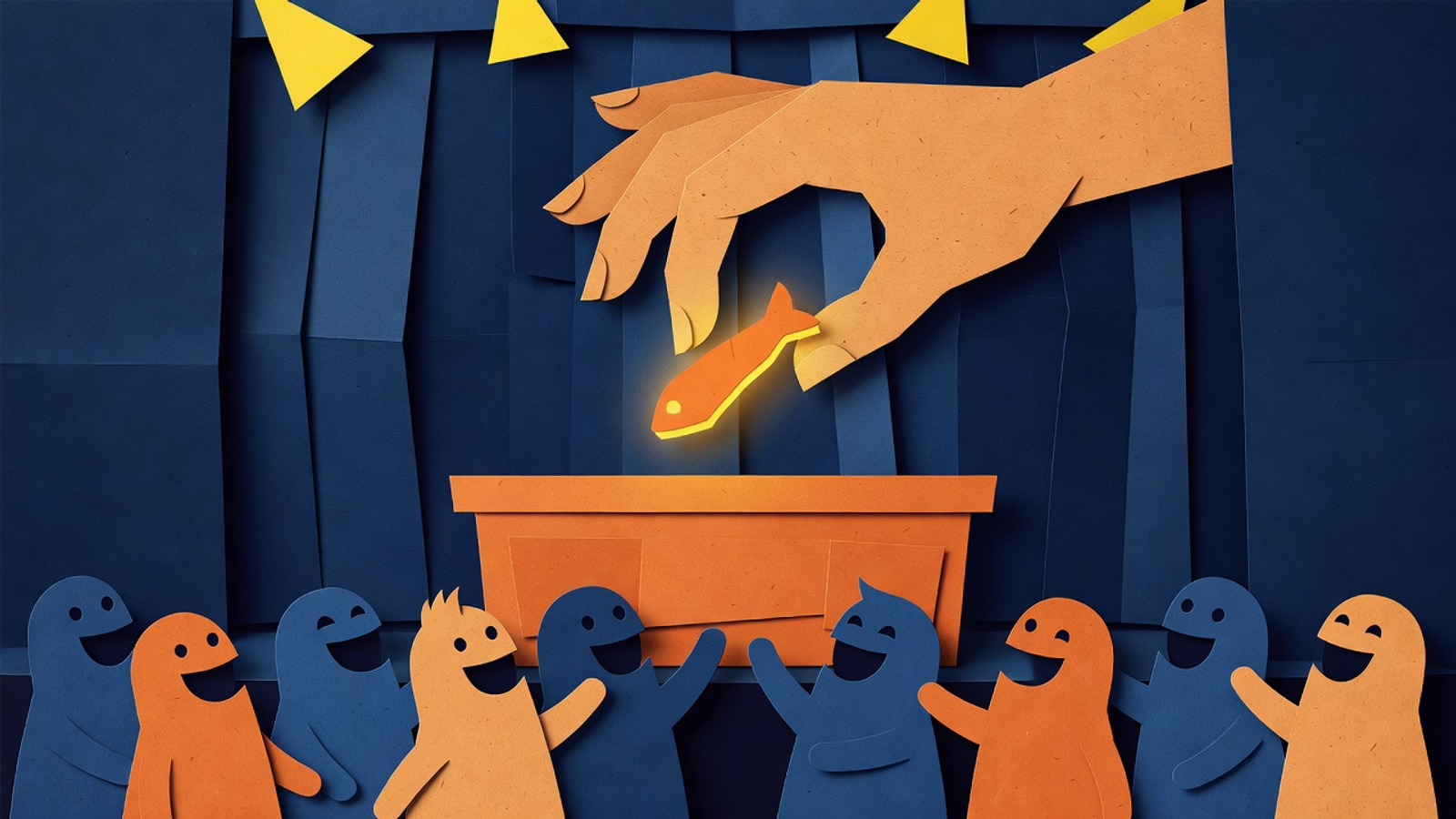
The machine mints the residue. Not the joke — the joke is spoken for. Just what leaked out when the loop sealed shut.